
Why Most Breakout Traders Fail — And How to Avoid the Trap
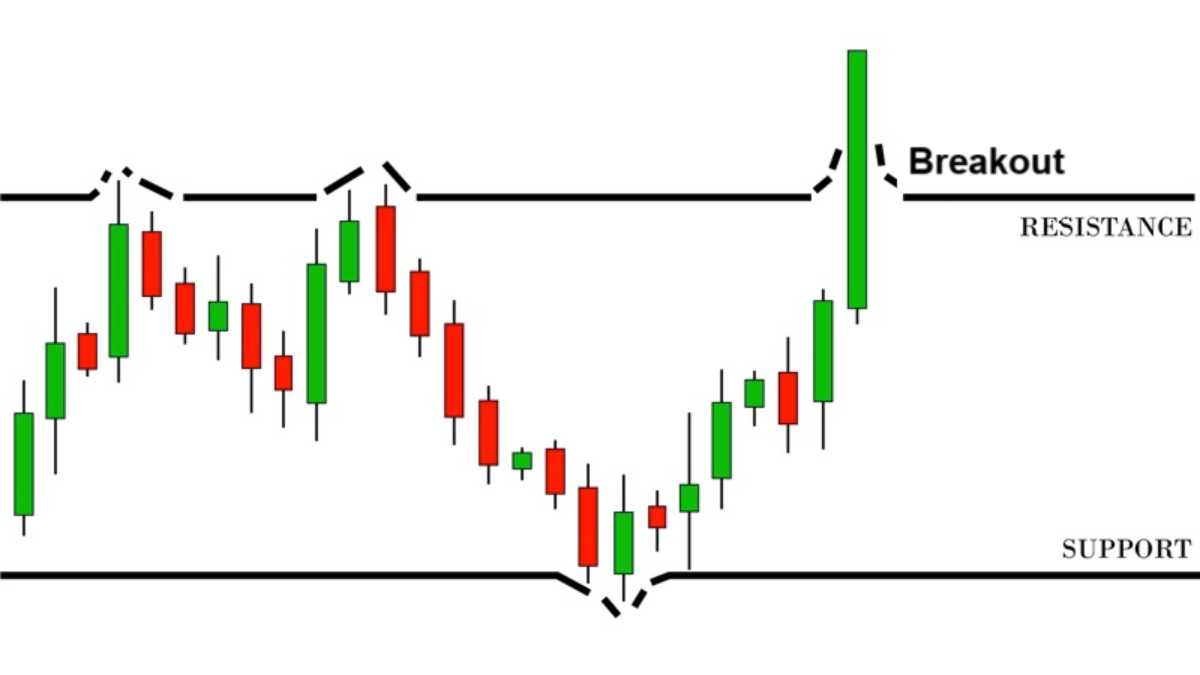
Breakout trading is one of the most widely used strategies in financial markets. However, despite its popularity, many traders struggle to consistently profit from breakout setups.
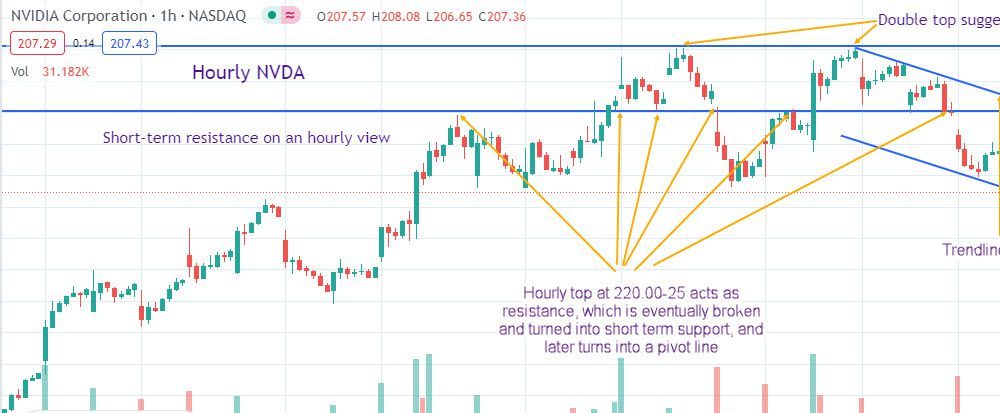
The Illusion of Easy Breakouts
Breakouts appear simple on charts. Price consolidates, resistance is tested multiple times, and eventually price moves above the level.
Yet many breakouts fail because traders focus only on price movement while ignoring market context.
The Three Layers of a High Quality Breakout
1. Structure
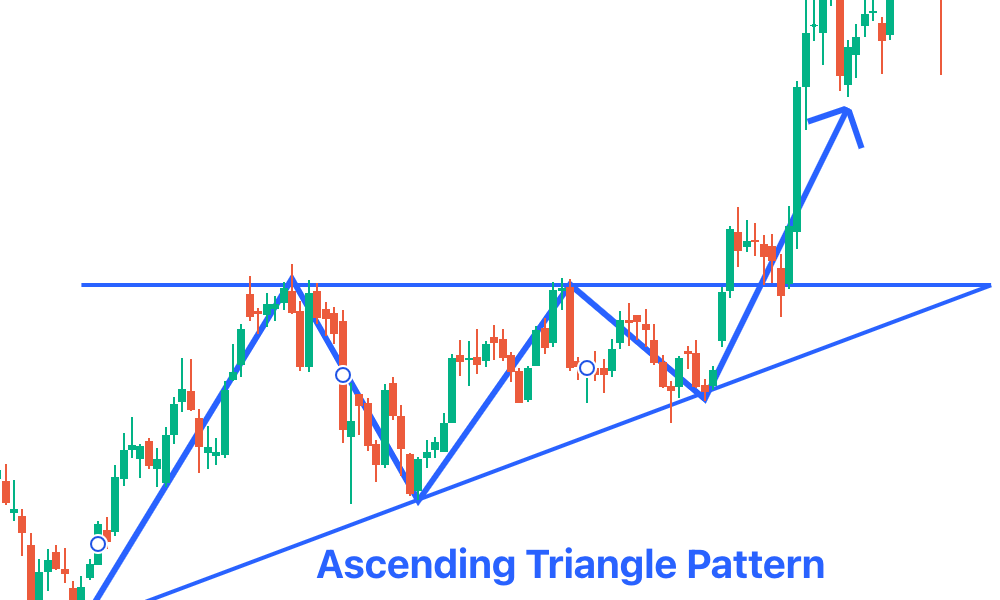
A strong breakout usually develops after a period of compression where price forms higher lows near resistance.
2. Participation
Breakouts supported by strong volume and broader market alignment have a higher probability of success.
3. Risk Positioning
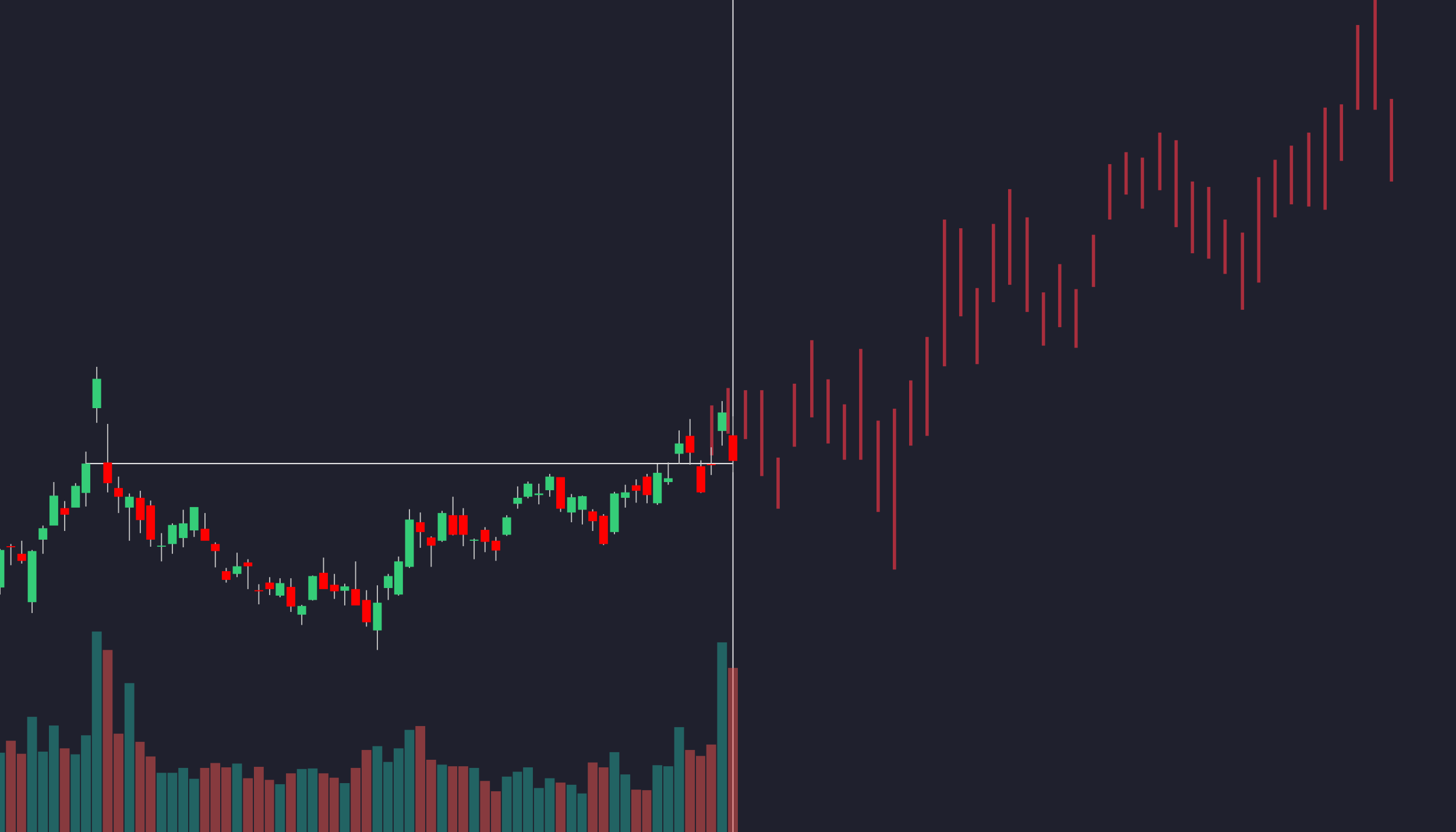
Professional traders define risk before entering a trade. If the invalidation level cannot be clearly defined, the breakout should be avoided.
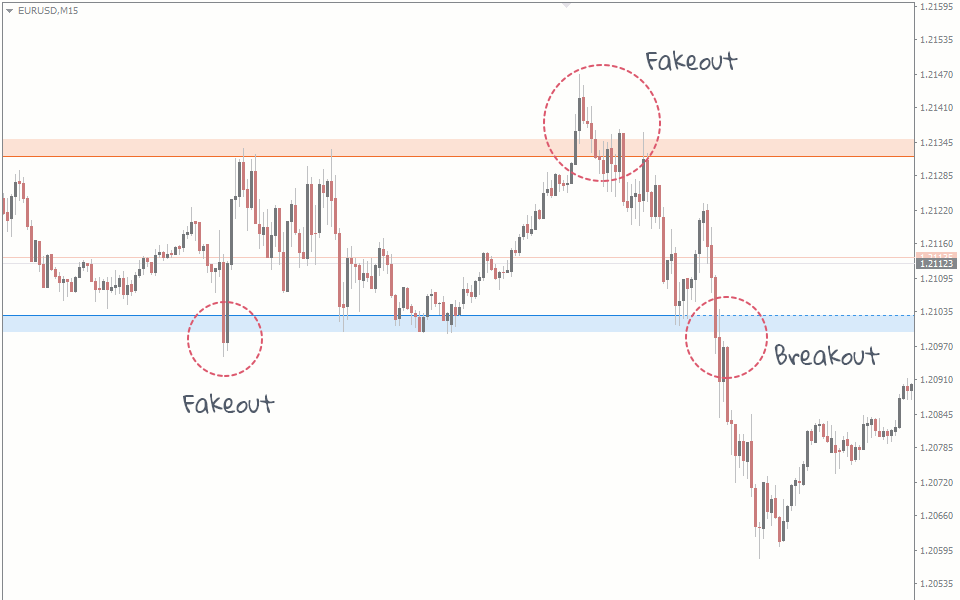
Why False Breakouts Happen
False breakouts are often liquidity events. When price breaks resistance it attracts breakout traders and triggers stop orders.
If follow-through buying is absent, price quickly returns inside the range.
Final Thought
Breakout trading rewards patience and discipline more than speed. Traders who wait for proper structure, participation, and defined risk often perform better in the long run.
Disclaimer: This article is for educational purposes only and does not constitute investment advice.